
Cybernetic System for Plant Growth Control
The LAGRE™ research approach is protected by:
U.S. Patent US 12,600,768 B2
Taiwan Patent I 803123
Research & Agricultural Nanotechnology
Land Green Technology studies how precisely configured inputs interact with the seed, root system, water, pH, light and controlled environment.
Nanotechnology is one layer of this research platform—not a universal product claim. The objective is a documented programme for a defined plant, variety, stage and biological task.
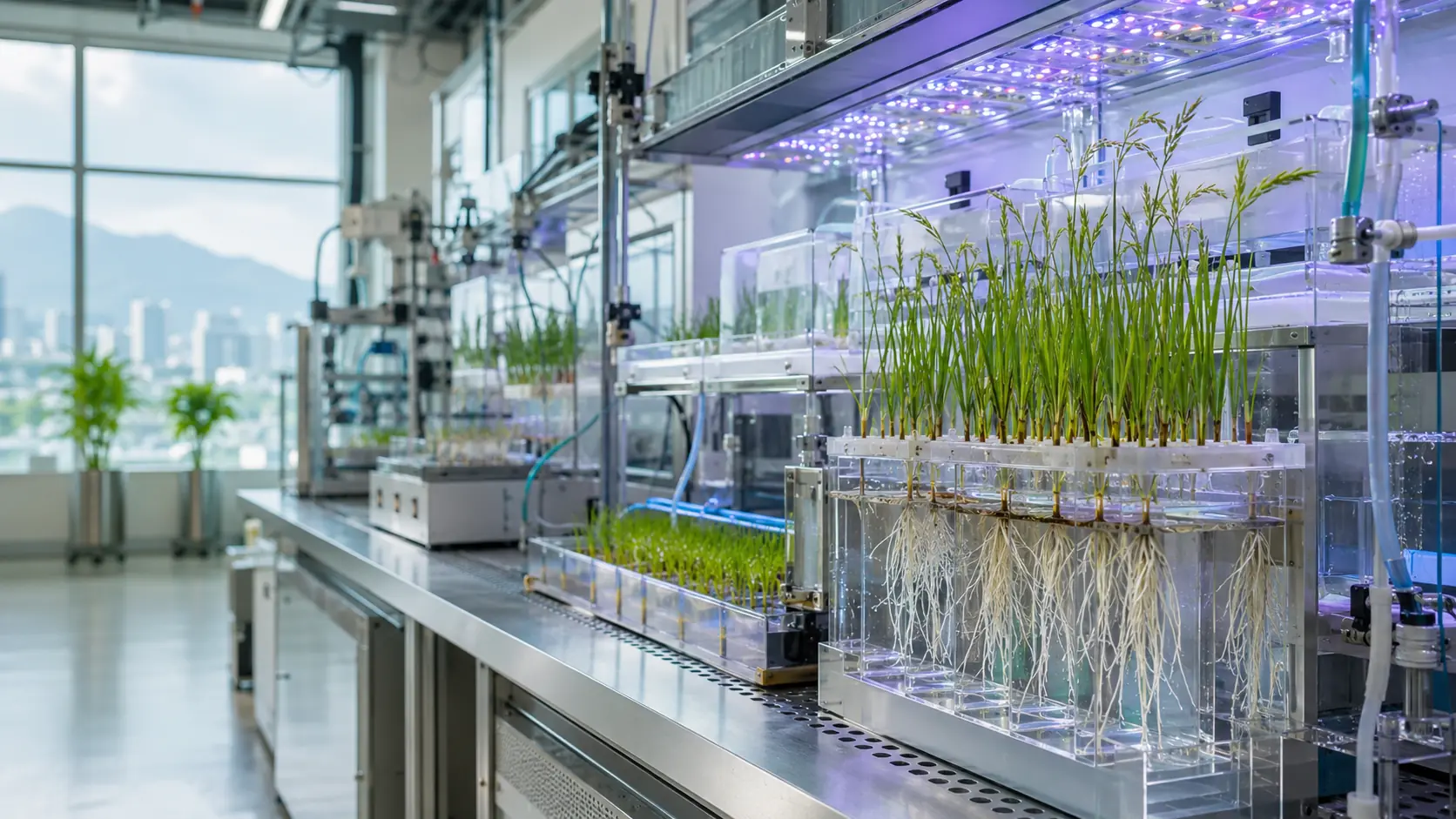
The activities of Land Green Technology ( LAGRE ) are focused on the intersection of plant biology, nanotechnology, precision hydropneumatics, optical technologies, automation, and digital robotics.
We conduct fundamental and applied research aimed at understanding the mechanisms of early plant development and realizing their genetic potential under controlled-environment conditions (CEA/HPA).
The rapid development of artificial intelligence, sensor technologies, and digital data analysis is becoming an important new component of our research platform, opening additional directions for identifying effective combinations of biological and physical signals.
The LAGRE™ research approach is protected by:
U.S. Patent US 12,600,768 B2
Taiwan Patent I 803123
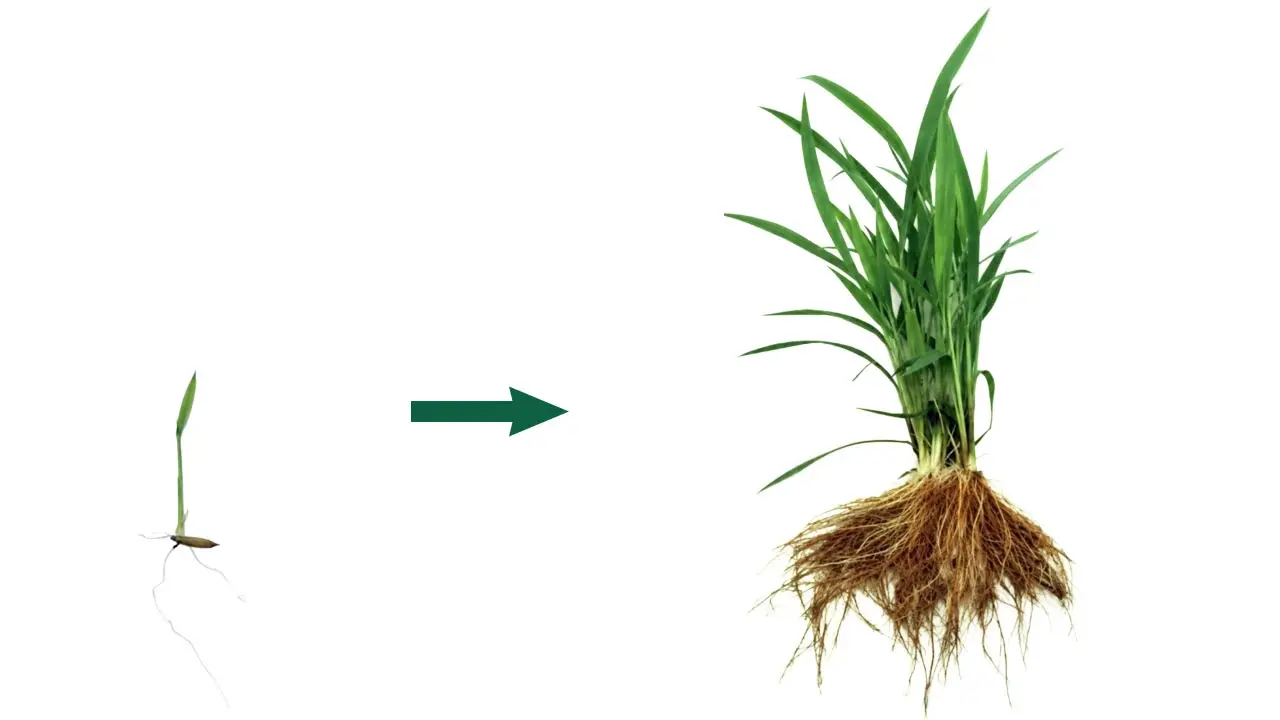
Unlike conventional agronomic trials that primarily investigate individual factors, the Formula G1 research platform studies the synergistic effects created through the synchronization of multiple biological, physical, and technological signals.
The research results of Land Green Technology have been presented in scientific publications and at international forums in the fields of nanotechnology, plant science, horticulture, and controlled-environment technologies. The company’s research has received international academic exposure, including:
The LAGRE™ research program integrates patent-protected technologies, proprietary experimental infrastructure, long-term research, international scientific publications, and the presentation of research results at international scientific forums. Our goal is not simply to study individual factors. Our goal is to understand the language of plant signals and learn how to synchronize them.
One integrated research direction
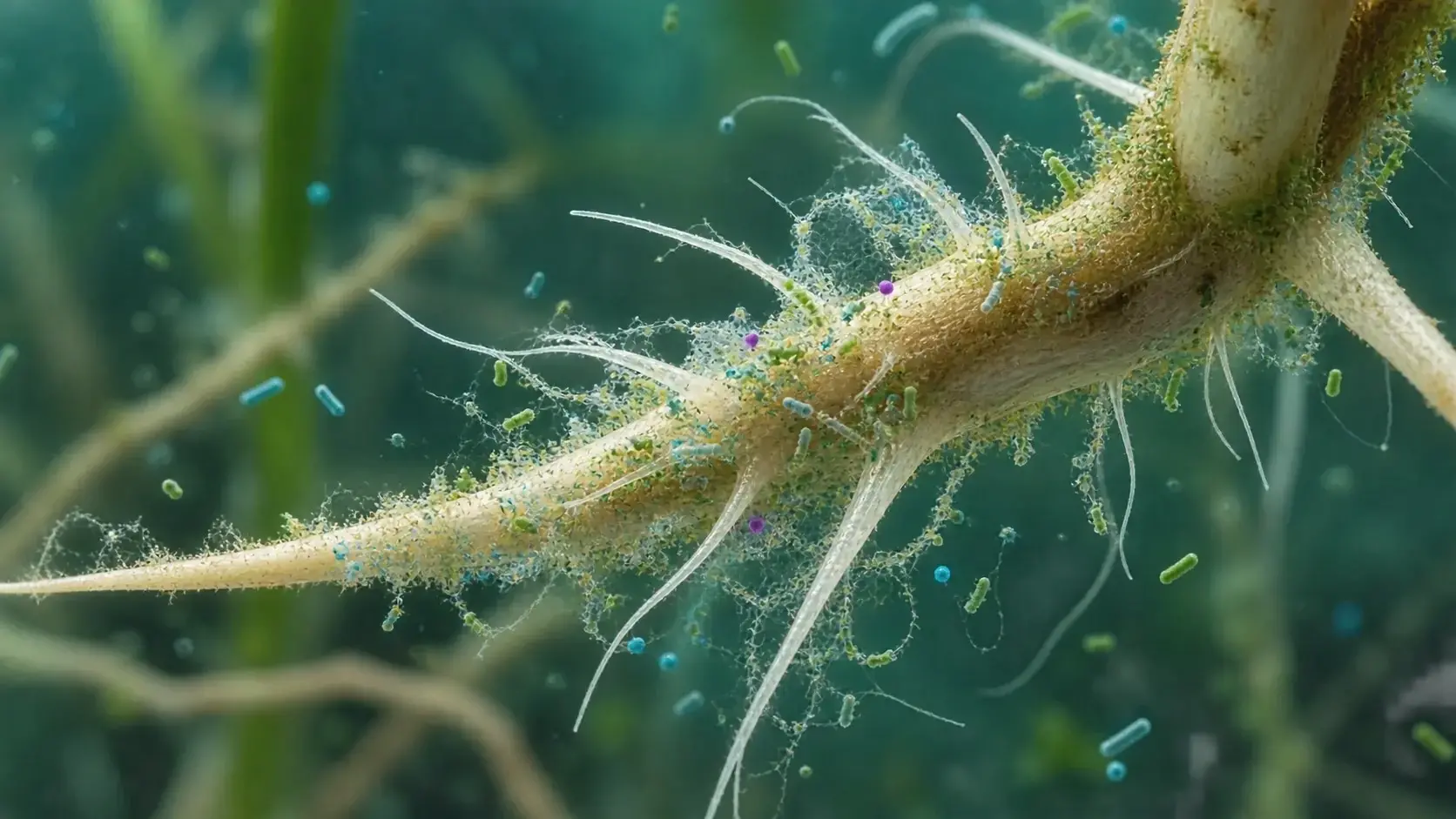
Nanoparticles do not work independently of biology. Composition, particle characteristics, concentration, dispersion, pH, water chemistry, treatment timing and plant variety can all change the response.
For that reason, LGT connects nanotechnology with controlled plant research. A material becomes valuable only when its function, limits and context are measured in a reproducible protocol.
The research cycle
The platform is designed to reveal relationships - not to add more of every input.
Select the plant, variety, seed condition, stage and response to investigate.
Specify composition, dose, dispersion, timing and delivery route.
Set pH, water, nutrition, microbial, light and environmental conditions.
Compare germination, vigour, root architecture, biomass and stage-specific traits.
Document effective conditions, limitations and the next experimental question.
Nanotechnology platform
Nanoscale components can behave differently from conventional materials because of their size, surface area and dispersion. Those characteristics may support highly responsive treatments at low input levels, but the outcome remains dependent on the complete biological system.
Featured published research · 2025
The controlled laboratory study compared nano-nutri-priming and hydro-priming of Shiroudi rice across acidic, neutral and alkaline environments at pH 5.5, 7.0 and 8.0. Boron, molybdenum and manganese were the nanoscale nutrient components within a multi-component Nnp formulation.
Three authors were affiliated with Land Green and Technology Co., Ltd. The company provided the Shiroudi seeds and supported the research. The results show why a treatment cannot be separated from its pH environment: neutral conditions produced the reported Nnp gains in germination, vigour index-2 and dry matter accumulation, while root responses followed a different pH-dependent pattern.
These early-development results are not field-yield data. The article calls for further open-field study and monitoring of nanoparticle pathways.
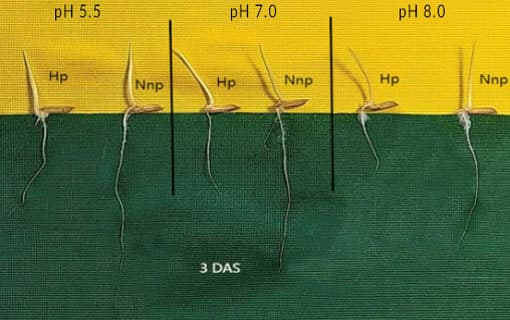
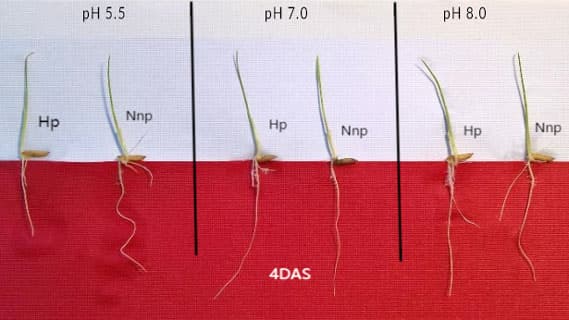
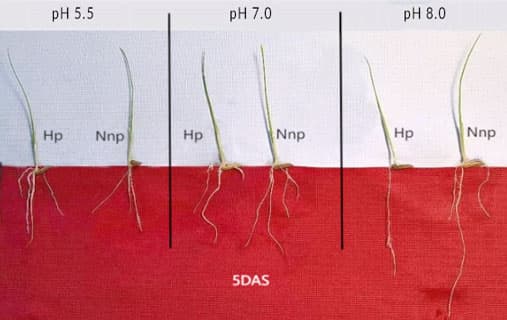
Within each pH environment, nano-nutri-priming increased root fresh weight compared with hydro-priming. Root dry weight also exceeded the corresponding hydro-priming treatment under neutral and alkaline conditions. The response was not uniform: hydro-primed seed at pH 5.5 showed 15.4% higher germination, 25% higher vigour index-1 and 30.4% higher dry matter accumulation than the study reference - hydro-primed seed at pH 7.0.
The result supports an individual-programme strategy. The next question is not “Which universal nano-fertilizer?” but “Which formulation, pH, seed state and protocol produce the intended response for this plant?”
Controlled research infrastructure
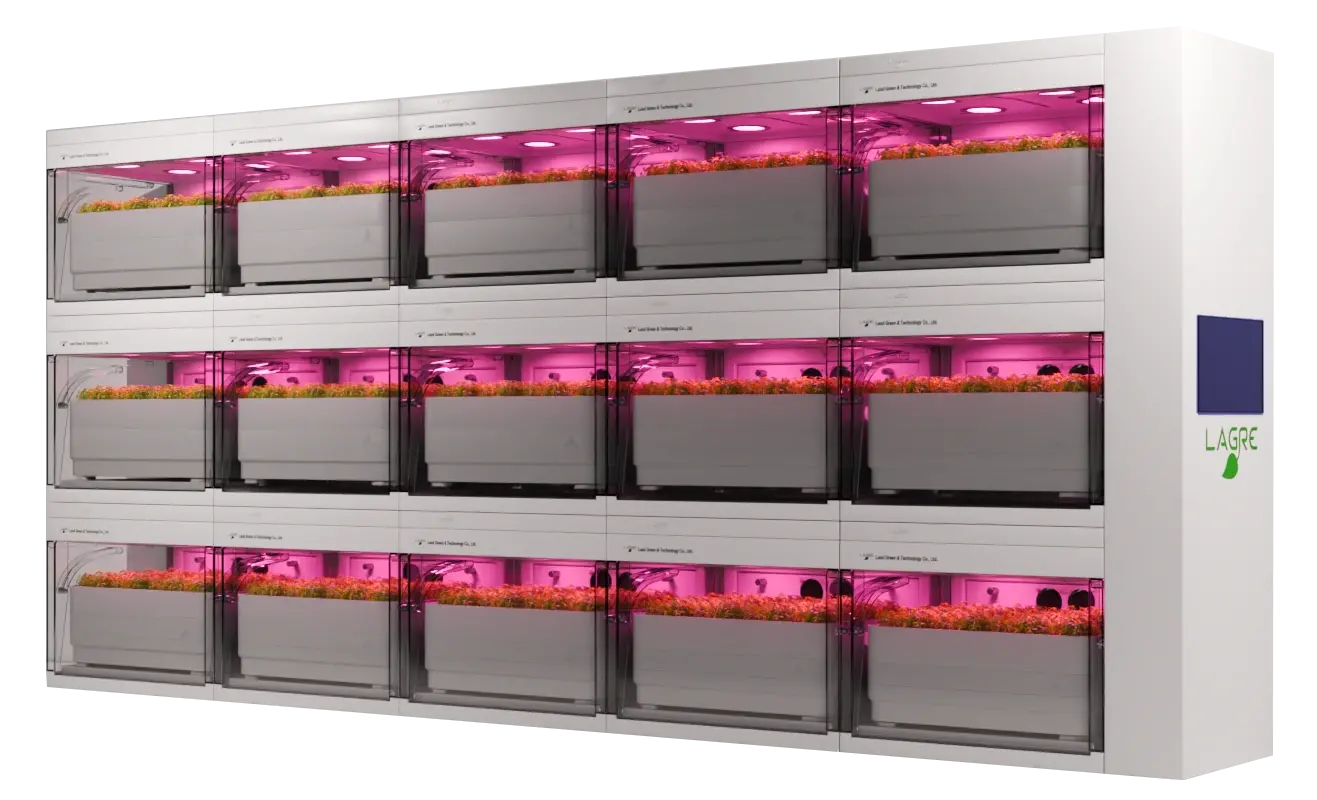
A response observed in one treatment becomes the starting point for refinement. Automated seed modules, phytolaboratories, controlled atmosphere rooms, programmable water and multispectral lighting allow the next comparison to remain attached to its conditions.
Current research directions
Each direction uses the same principle: control the variables, measure the biological response and define the limits.
Plant- and variety-specific nano-nutrient programmes for germination, seedling vigour and root-system development.
Stage-specific combinations of spectrum, intensity, timing and root-versus-shoot illumination.
Research into pH, redox potential, mineral and isotopic parameters as active variables in plant systems.
Translation of controlled research into phytolaboratories, protected cultivation and accessible home-growing systems.
International congress presentation
Land Green Technology participated with an oral presentation at the 13th Annual World Congress of Nano Science & Technology in Osaka, Japan. The organiser’s speaker correspondence was addressed to Dr. Layla Naim.
The talk introduced LGT’s plant-specific nano-nutrition research and the Formula-G1™ cybernetic research platform for controlled plant development.
Historical record. This presentation reflects the platform development stage reported in May 2024. Current platform specifications and validated results are presented separately on this page.
Selected publications & scientific dialogue
Technical materials archive
Powder and colloid specifications remain available as a technical archive. Material specifications do not replace plant-specific biological validation.
Research & collaboration
Land Green Technology works with universities, research institutes and technology partners to design, test and document plant-development protocols.